Some of the best films about grief are not really about grief at all. They are about the mess that surrounds it – the siblings who have not spoken properly in years suddenly sharing a room, the things left unsaid that death has made permanently unsayable, and the dark absurdity of trying to give someone a dignified sendoff when dignity was never exactly their strong suit.
ANGEL understands that completely. And it was written by someone who had to learn it the hard way.
Writer-director Anna Koukouli Born began this story in therapy, working through her father's death – a retired Navy officer who struggled with mental illness and addiction for most of his life. What started as a grief counseling exercise became a screenplay, and the screenplay became a film that has already screened at the Manhattan Film Festival and the Meliora International Film Festival. It is a remarkable origin story for a quietly remarkable film. Koukouli Born's voice is specific, her humour darker than comfortable, and her instinct for emotional truth completely sure-footed. Her first short, 'APPRAISAL' screened at the Beverly Hills Film Festival. Angel suggests she is building something worth following.
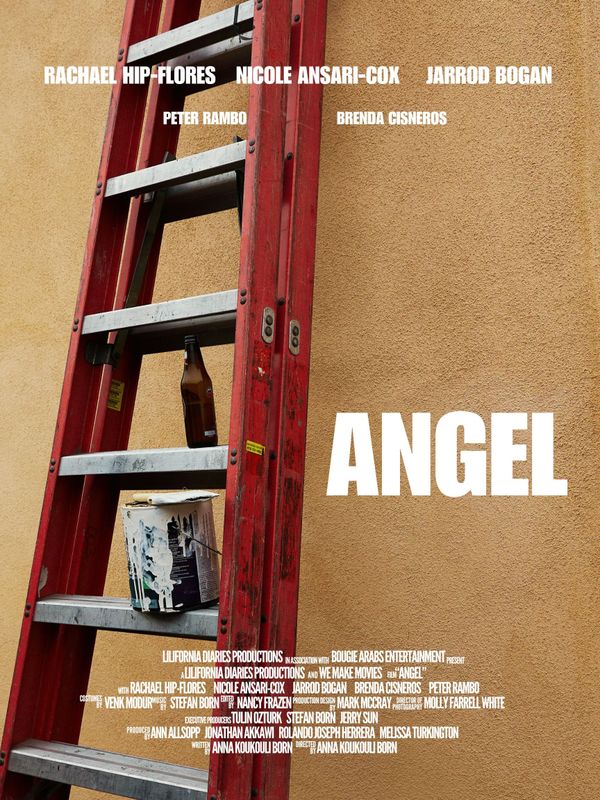
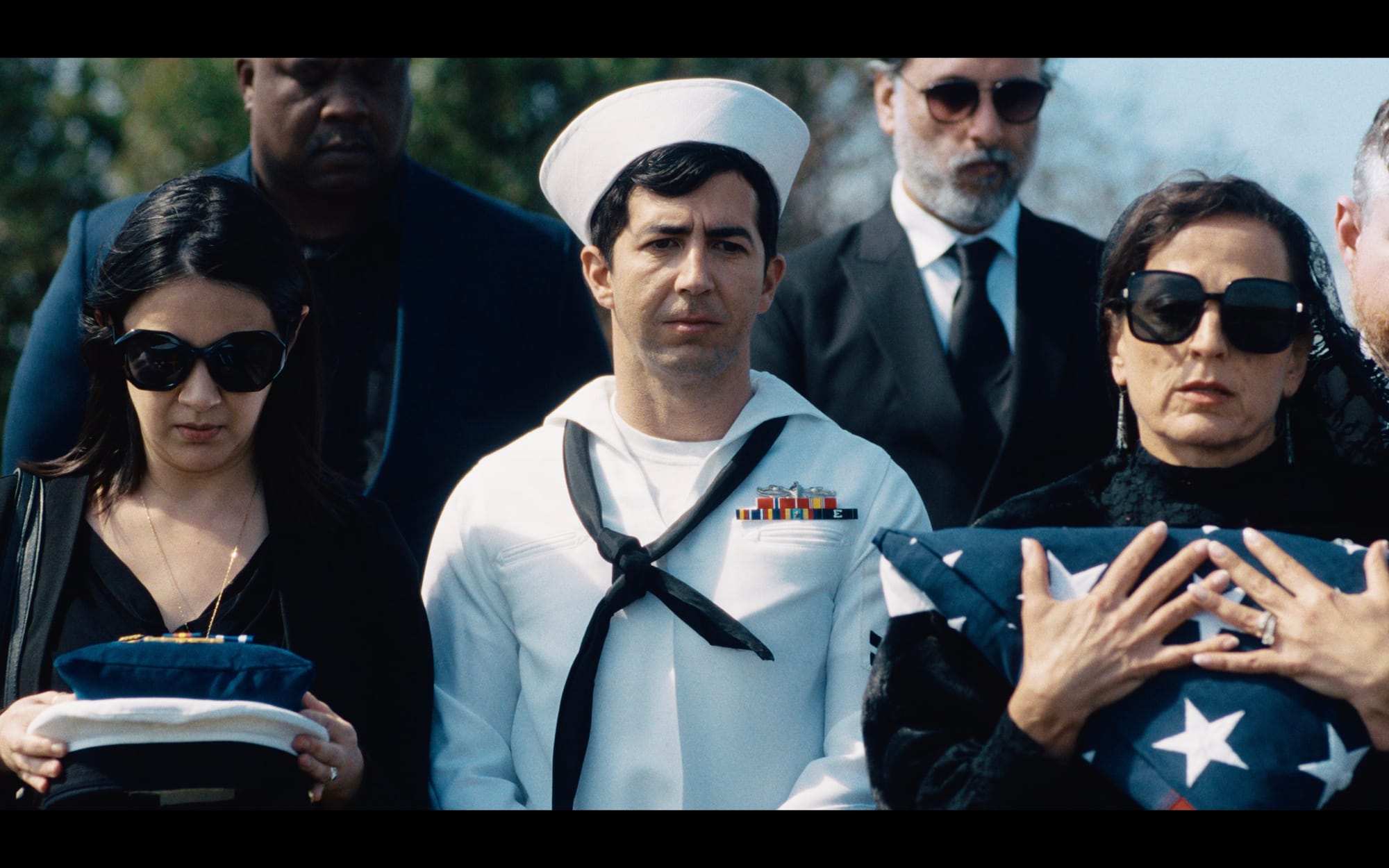
The film follows the Gutierrez family in the hours surrounding the funeral of their father – a Navy veteran whose alcoholism shaped everyone in that room, whether they will admit it or not. Elvira, the eldest daughter played by Rachael Hip-Flores, has spent years distancing herself from the damage. Jake, her younger brother, played by Jarrod Bogan, joined the Navy himself and has always felt like he was never enough. Their mother, Sarah, played by Nicole Ansari-Cox, is the volatile centre of everything – a woman who endured years of her husband's drinking by ignoring it and lashing out, leaving her children holding the anger she never fully processed.
Nicole Ansari-Cox as Sarah is the centre of the film, in our opinion. Her portrayal of a woman trying to give her husband the best send-off she can – despite everything, despite the years of it. She plays someone who loved a flawed man and is now holding the full weight of that in a room full of people who are all holding something different.
Hip-Flores and Bogan as the siblings carry the film's humour and its heart in equal measure. Their dynamic feels genuinely sibling-shaped – the specific shorthand, the dark jokes as a coping mechanism, the way they land on the same absurd solution at exactly the same moment. The decision that their father cannot be buried without the unfinished bottle, or he will be mad forever.
The cigarettes are the film's best detail. From the opening, you sense they are going to end up lit rather than buried, and when that moment arrives, it earns everything. The final shot of the two of them leaning into each other, smoke in hand, is the image that stays.
The film's cemetery scenes were originally planned for the Los Angeles National Cemetery. The VA denied the permit, stating that portraying a deceased veteran as an alcoholic did not honour veterans' memories. The team transformed Kenneth Hahn Park into a convincing military cemetery with flags and tiles, and nobody has stopped asking where it is.
Alcoholism among veterans is not a one-off story. It is one of the most common and least discussed crises in military communities, and the families who carry it alongside their veterans carry it largely alone. ANGEL does not flinch from that. It does not offer easy resolution or neat forgiveness. What it offers is recognition – the film is, in Koukouli Born's own words, an "I see you, you scarred child" to everyone who watches and feels it in their bones.
The score, composed by Stefan Born, Koukouli Born's husband and a tribute to his late father-in-law, carries the film's emotional register without overpowering it. Everything in Angel feels like it was made with care, because it was.
Final Rating: ★★★★
Angel was submitted to Filmoiselle for review consideration. All opinions expressed are entirely our own.
Written by

Comments