FilmQuest treats genre cinema as a community, not a market. Stevie Nelson reports from Provo on the women filmmakers of the Minerva Award, the standout shorts, and why hundreds of filmmakers call it family and keep coming back.
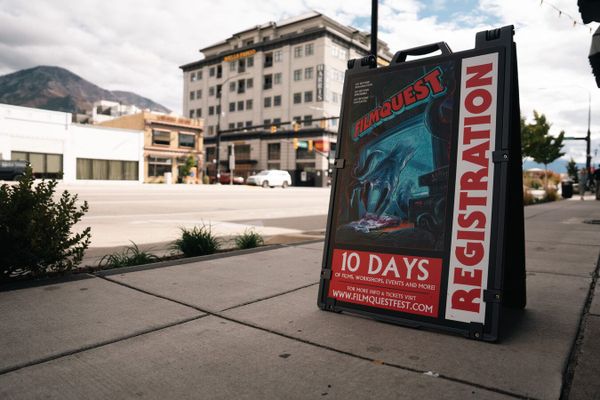
The quiet town of Provo, Utah, is home to FilmQuest, a festival dedicated to the thought-provoking art of genre cinema. 2026 marks its 13th year, with the debut of a genre-focused film market and a one-million-dollar prize for one extraordinary short film. The festival feels like a combination of industry powerhouses and homegrown warmth. Finalists are treated to a VIP, all-access pass, with professional portrait opportunities, red carpets, and labs run by industry professionals. Simultaneously, volunteers run its registration booth from a room in Taste Artisan Chocolate. Film screenings occur in the historic Velour Music Gallery, which provides an intimate setting sandwiched between a pizza parlor and the registration booth. FilmQuest is, above all, dedicated to community in all its forms: a unique combination of local businesses, genre filmmakers, and the Utah Film Commission.
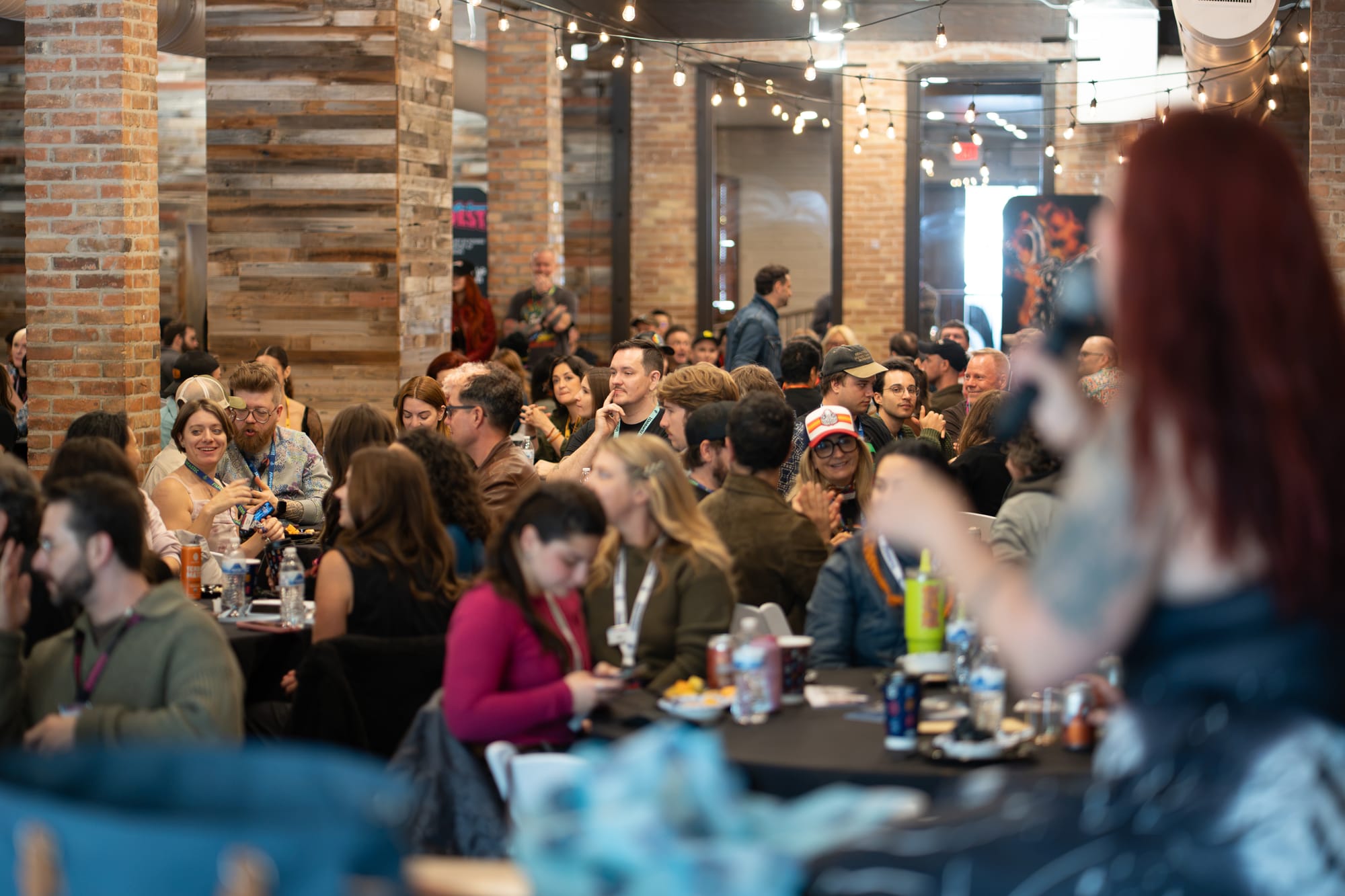
Arriving in Provo was an easy commute. It’s situated roughly an hour away from the Salt Lake City airport or a quick taxi ride from the regional Provo airport. As a finalist and an official selection, my biggest challenge was pacing myself; daily schedules were packed with events, often running late into the evening. When I arrived and saw that there was brunch, karaoke, and even axe throwing, it was clear that all filmmakers are welcomed with open arms. Screenings were broken up into blocks of short films, with features accompanied by shorts. Studio tours were also available for filmmakers interested in opportunities from the Utah Film Commission.
Credit: FilmQuest Bruncheon, Zach Dix
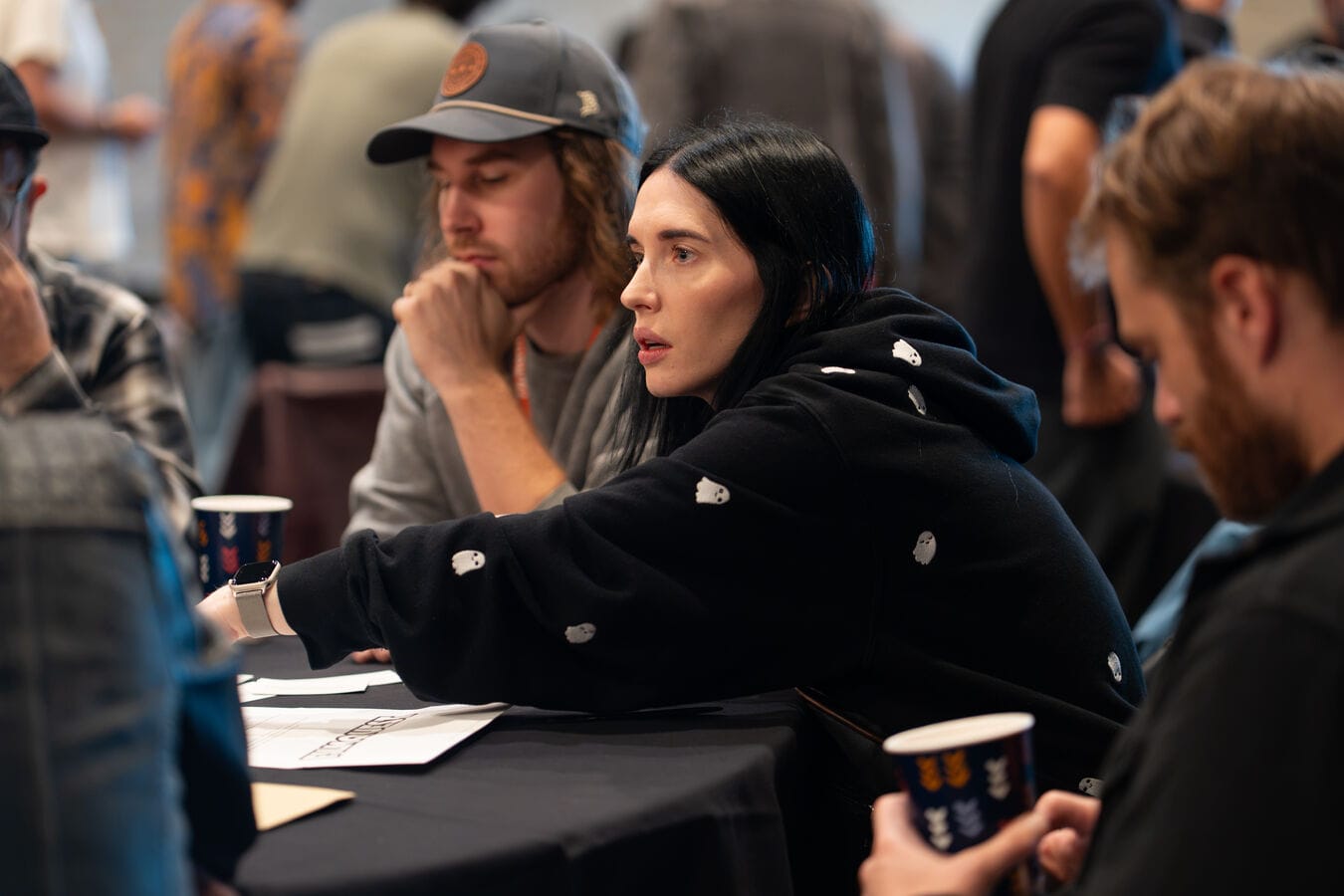
Within FilmQuest’s workshops and labs for filmmakers, known as “Camp Cthulu,” there were opportunities to network, learn, and even play games. Tanya Klein and Jim Cirile from Coverage Ink provided a two-day lab about preparing and selling feature scripts. Michael Dougherty, the visionary behind Trick ‘r’ Treat and Krampus, ran a producing and directing workshop. Other labs included distribution, sound editing, composition, marketing, and even a special screening with Ted Raimi. It’s no wonder hundreds of filmmakers return annually, referring to the community as their “FilmQuest family.” And, with the “not so private” Facebook group, filmmakers stay in touch year-round. Many filmmakers become friends at FilmQuest and later team up to collaborate on a short or a feature.
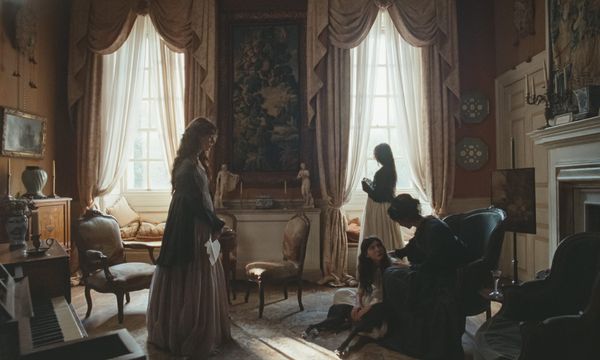
As an attendee, I focused on viewing films nominated for the Minerva Award. Minerva-qualifying projects are limited to shorts made by female-identifying filmmakers with the goal of advancing or empowering women. This year, many nominated films showcased complex themes around familial relationships and internalized expectations. Chronic pain, as shown in Pea by writer-director Summer Benowitz, was a poignant reimagining of the fairy tale The Princess and the Pea. Pea used the visual language of cinema to portray its main character’s tumultuous inner world. Several films featured cults, including Redneck by writer-director Alexandria Basso and God’s Future Soldiers by writer-director Jerry J. Sampson. Serving the dual purpose of a setting and a plot device, cults became a cornerstone for portraying unquestioned family values and inherited ideologies. Redneck showed the stereotypes of redheads against the textured backdrop of the Appalachians, and God’s Future Soldiers was inspired by the filmmaker’s complicated, evangelical upbringing with her mother. Regardless of a film’s subject matter or genre, Minerva Award nominees featured women who were outliers. They sketched a throughline of the pressures placed on women across all walks of life.
Credit: FilmQuest Networking Game, Zach Dix
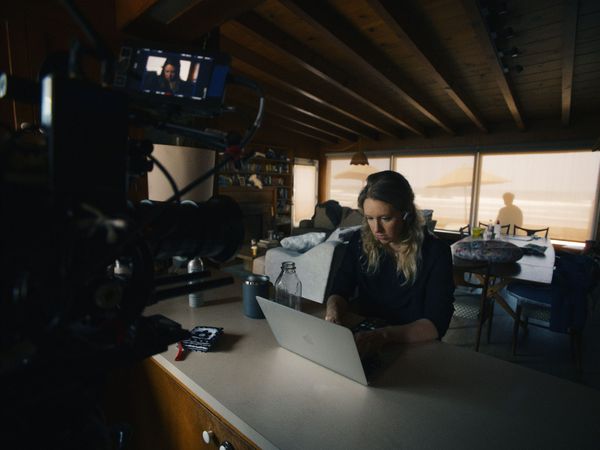
Outside the Minerva-nominated films, I was moved by a screening block featuring Artichoke and Bravado. Artichoke, by Amir Moini, was a cinematically stunning short inspired by the story of Zeus transforming Cynara into an artichoke. In Moini’s words, it was about abuse and power in relationships. Moini’s dreamlike visuals were paired with minimalist dialogue to create a story of freedom, “whether that’s shame, addiction, [or] self-sabotage.” Bravado, directed by Alex Hanno and co-written by Luca Malacrino, was a feature thriller with similar themes. Its female protagonist, Amy (Caitlin Morris), is a screenwriter who finds herself in an abusive mentor-mentee dynamic, similar to the 2014 film Whiplash. Amy doesn’t just want to be a screenwriter; she needs to be a screenwriter. Her fictional story is broken up by interviews with screenwriters, emphasizing the realities of Bravado’s script within the spiraling, genre-bending horror of its protagonist’s mental health. Bravado resonated with its audience because Amy’s struggle is not unique to screenwriting, just as the struggles in Whiplash were not unique to musicians. Bravado was a universal story of passion and resilience.
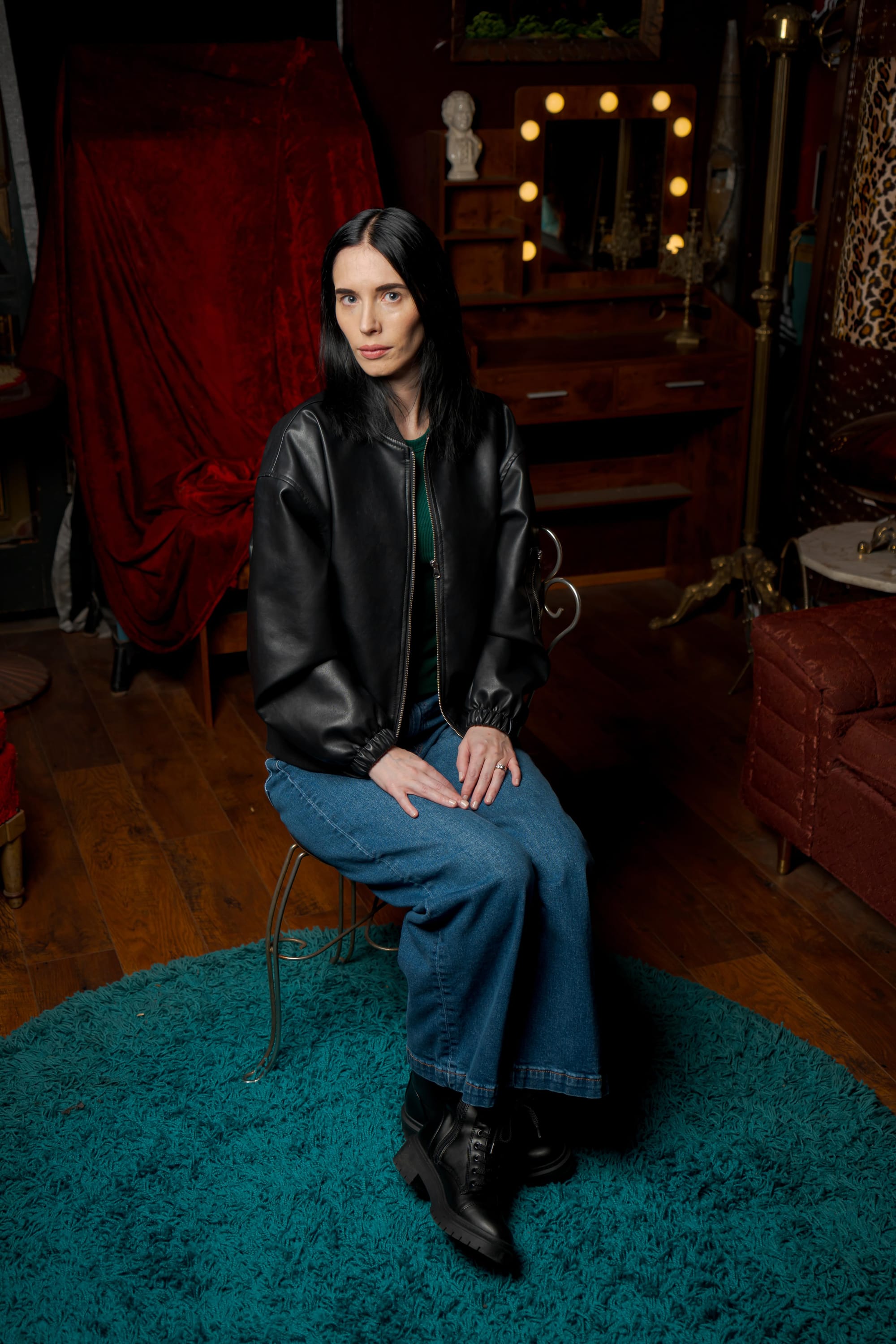
Credit: FilmQuest Green Room Portrait, Johnny Call
Passion, too, is the bedrock of FilmQuest. Recognition grew after it predicted three Oscar winners for Best Live Action Short Film (I’m Not a Robot, The Singers, and Two People Exchanging Saliva). But the festival’s beating heart remains its steadfast, genre-loving filmmakers. Previous attendees without a film or a script in competition are encouraged to volunteer as judges. And, despite a packed schedule for almost two weeks, the energy of FilmQuest never waned. Its popularity and success are mirrored by its high ratings on FilmFreeway, where it ranks among the top festivals. Provo showed me that at FilmQuest, found family is more than a genre; it’s a way of life.
Stevie is an award-winning screenwriter and film scholar. Her screenwriting centers on women who break the mold, exploring themes of financial independence, female ambition, and the conflicting expectations of family and society.