You Can See Everything, and I Still Don't Know Who Elizabeth Holmes Is
Nathan Fielder and Lance Oppenheim's documentary promises total access to the most famous fraudster of the decade. Three hours later, I walked out less sure of her than when I sat down.
I do not usually love documentaries. I spend most of them aware that I am being walked somewhere, that a case is being built, that by the final act I will be handed a verdict to carry home. You Can See Everything does something stranger, and it is the reason I have not stopped thinking about it since the lights came up. It hands you total access to Elizabeth Holmes and then refuses to tell you what any of it means.
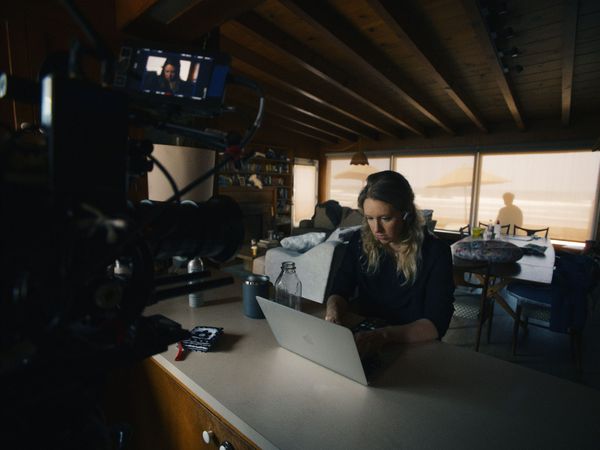
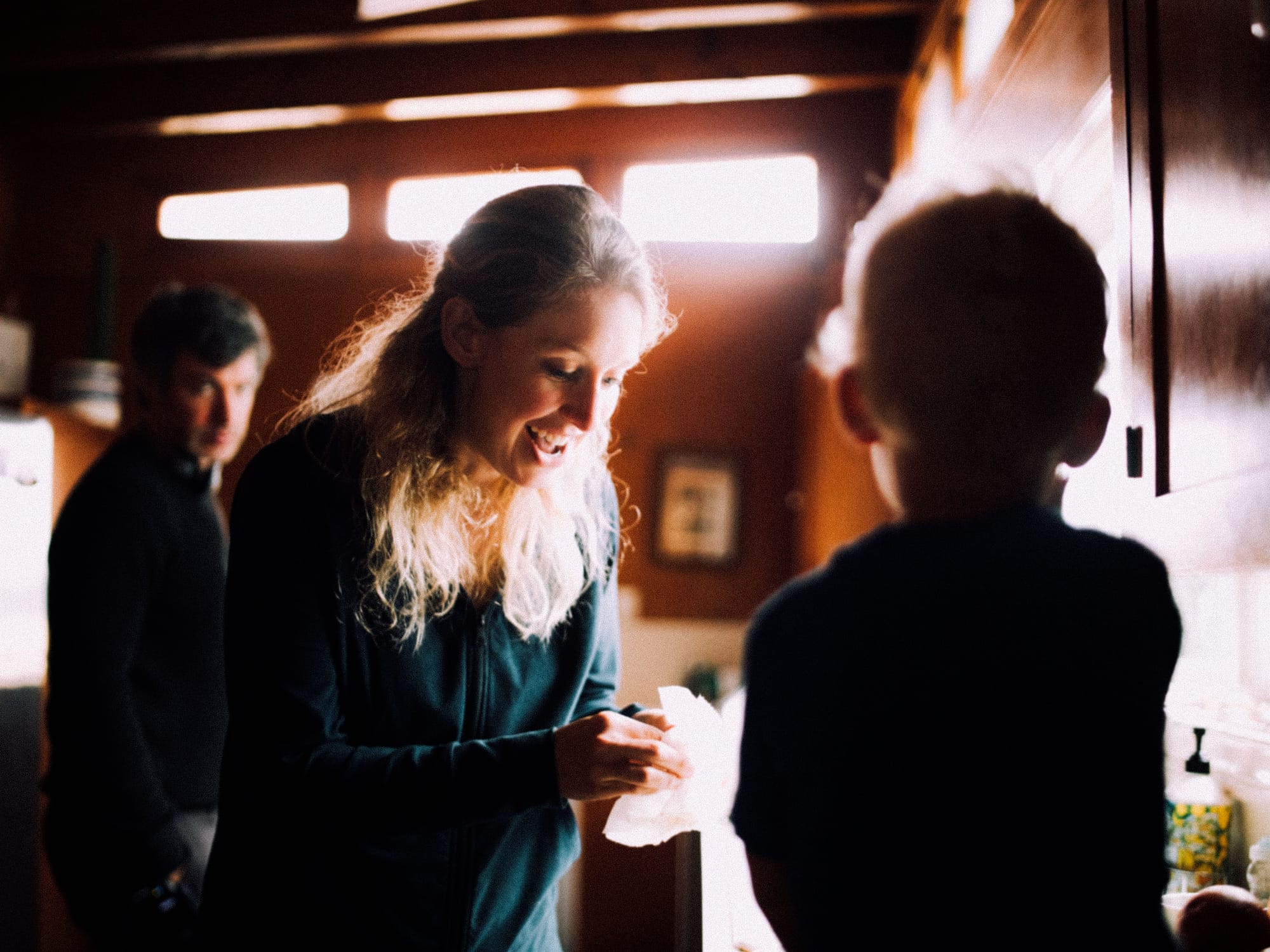
The access really is total, sometimes uncomfortably so. I did not expect to see what I saw. At one point the film shows her partner, Billy Evans, completely naked, and it is filmed so matter-of-factly that it takes a second to register how far inside this household the cameras have been allowed. Yet all that closeness brings you no closer to understanding her. The more the film shows, the less certain I became.
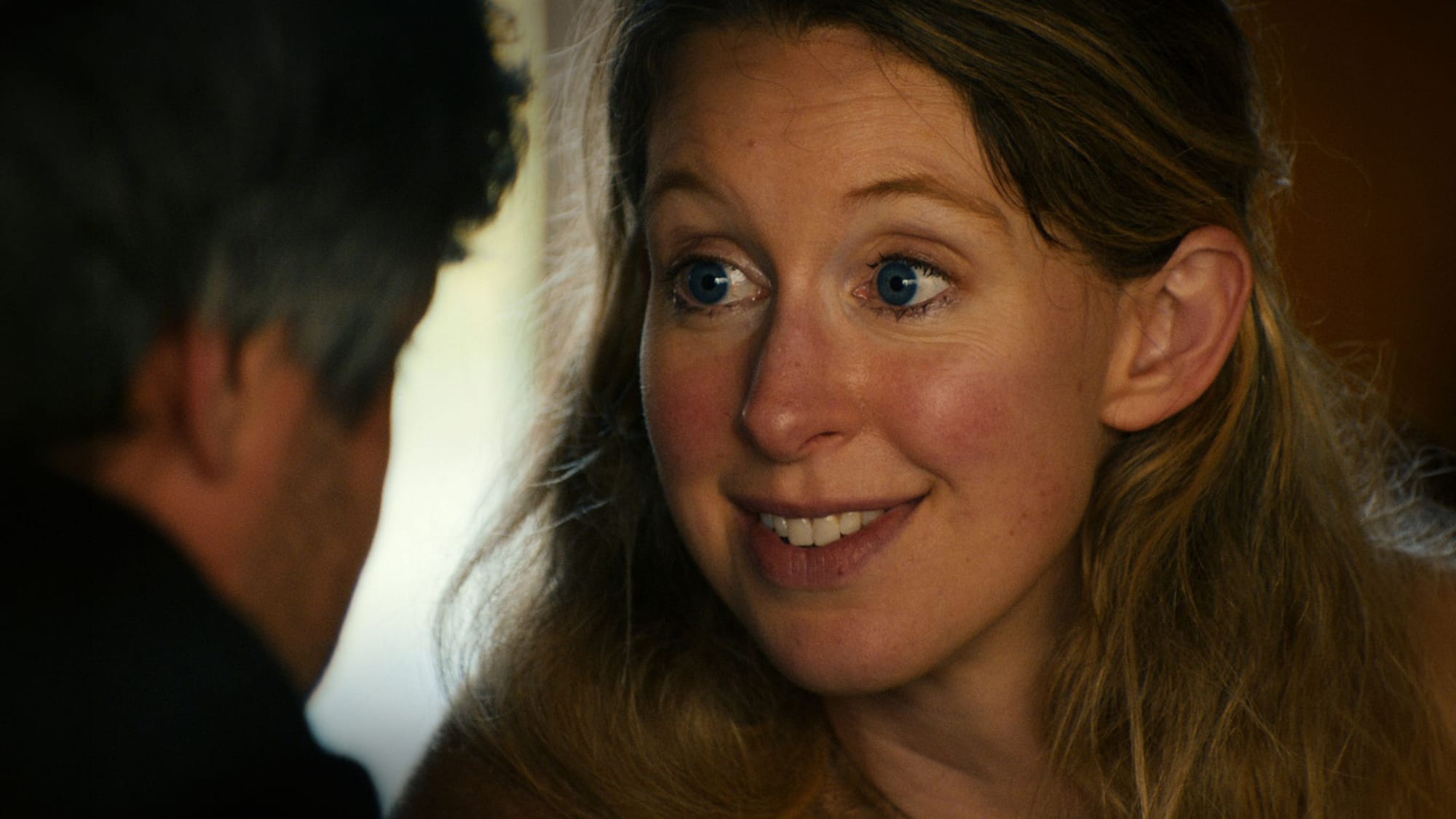
Here is the question it stranded me in, and I am still standing there. Is Elizabeth Holmes the strange, soft-spoken, faintly naive woman she appears to be, or is that the longest-running performance of her life? For the first stretch I was certain I had her read. Then I doubted myself. Then I doubted the doubt. My first instinct was that Billy was the manipulative one, controlling and a little toxic, and that she was caught in his orbit. By the end, I was not even sure of that. Maybe she is the one playing the game. Maybe they both are. The film is content to let you believe all of it at once.
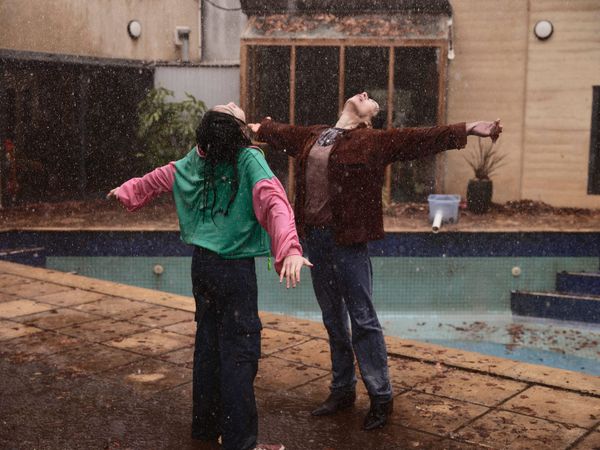
Image Credit: A24
After Theranos collapsed in one of the most public frauds in modern history, Billy Evans has gone and started another blood-testing company, Haemanthus, out of Austin. Blood testing. Again. I sat there thinking, who looks at that wreckage and walks straight back into it? It is either astonishing conviction or something much harder to name, and the film, true to itself, will not tell you which.
There is one thread near the end that tilted me, briefly, toward believing her. It emerges that Billy had negotiated to be paid by A24 for their participation, and the film suggests Elizabeth did not know. When Fielder raises it with her in prison, he tells her there is still time to refuse the money, so that no one could later claim the film had bought its story or manipulated her into telling it. The closing titles note that they did, in the end, turn the money down. It was Billy who reached for the cheque, and Elizabeth, once she knew, who let it go. For a second I thought, maybe she was the sincere one all along. Then I remembered who I was watching, and the certainty slipped through my fingers again.
What makes three hours of this not only bearable but gripping is the filmmaking. Nathan Fielder and Lance Oppenheim do not ask questions the way other documentarians do. They let silences run long; they stay in the room a beat past comfortable; they leave the awkwardness in instead of cutting around it. And they let you feel the filmmaker's own fascination with her. More than once I caught a strange charge between Fielder and Holmes, a closeness that read almost like chemistry, and I found myself wondering if the film was about to tip into something it had no business tipping into. Later, when Amanda Seyfried asks him, plainly, whether he misses her, and he answers that he honestly is not sure, the whole project shows its hand. This is partly a film about the pull Holmes has on the people around her, and it is honest enough to admit that the person holding the camera was not immune either.
Image Credit: A24
That is also why the Amanda Seyfried material works as well as it does. After ninety minutes of the real Elizabeth Holmes, the film slides into dramatised recreations with Seyfried playing her, and the effect is disorienting. You have spent an hour and a half straining to read the real woman, and now here is an actress offering you a version, and you realise you cannot fully say which performance you trust more.
I think that is the real achievement. You Can See Everything is not interested in deciding whether Elizabeth Holmes is a victim, a villain, a true believer, or the finest performer of her generation. It puts you in the room, shows you all of it, and then lets you notice that seeing everything is not the same as knowing anything. I walked out unable to tell you what I believe about her. Three hours of total access, and the honest answer is that I still cannot see her at all.
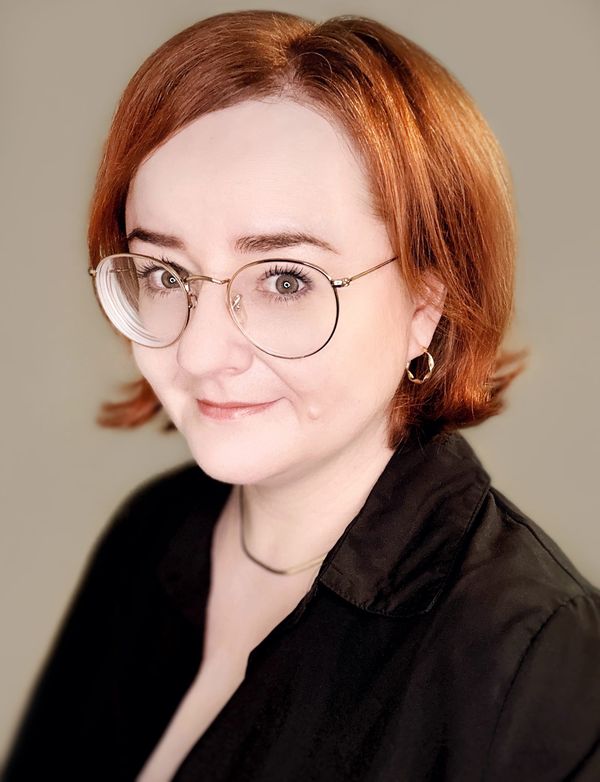
Daria Ershova is the Founder and Editor-in-Chief of Filmoiselle. She's an entertainment and culture journalist whose film writing appears at Pop Tales and whose commentary has been quoted in Newsweek, Fortune, and British Vogue.
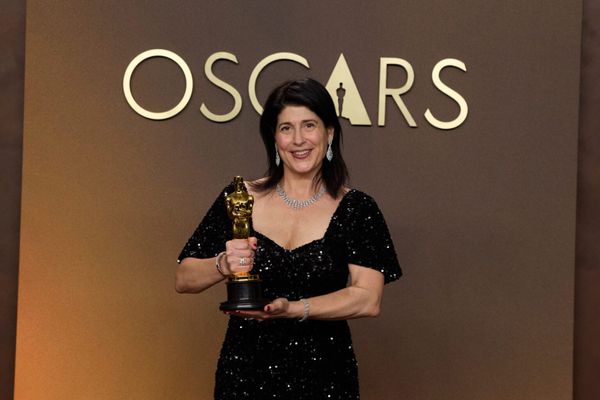
Cassandra Kulukundis poses backstage with the Oscar® for Casting during the 98th Oscars® at Dolby® Theatre at Ovation Hollywood on Sunday, March 15, 2026. WALLY SKALIJ, THE ACADEMY