The Filmoiselle Interview: Margaret French Isaac on Four Decades in the Film Business, and How to Get Through the Door
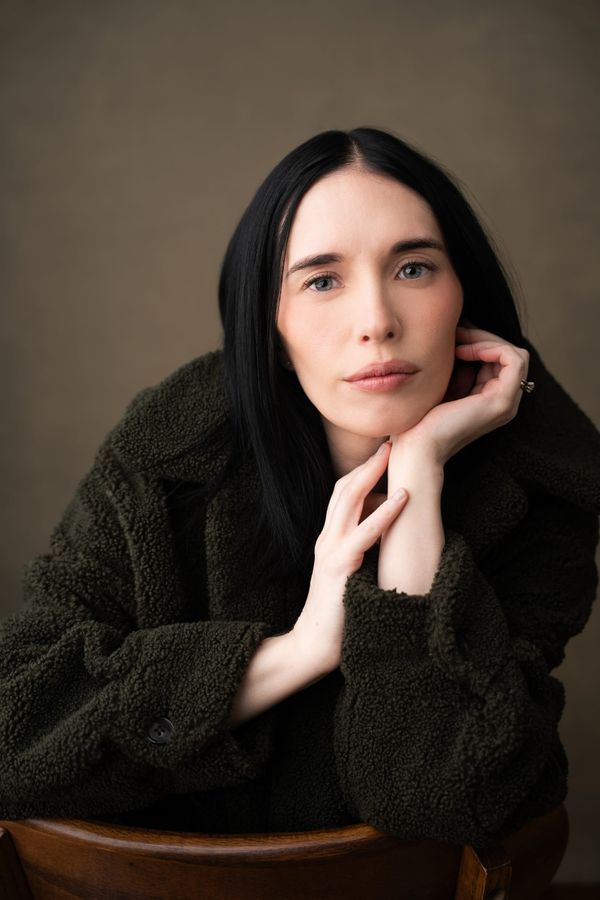
From a Paramount desk to the producer’s chair, Margaret French Isaac has spent forty years inside the film business. She sits down with Filmoiselle to talk packaging, BookTok, Johnny Depp, and how any woman can get through the door.
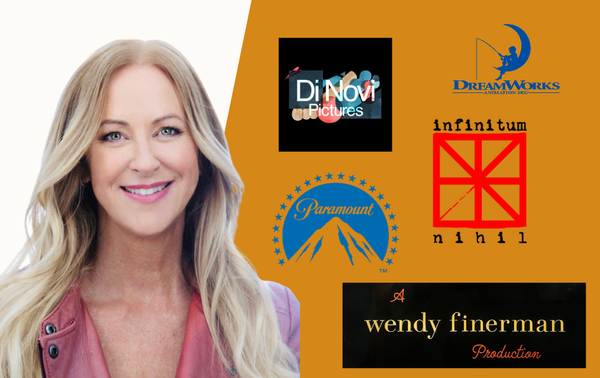
There are people whose names sit in the credits of films you have loved without you ever registering the hand behind them, and Margaret French Isaac is one of them. A member of the Academy of Motion Picture Arts and Sciences, she has spent roughly four decades on nearly every side of the business. She was a senior executive under Steven Spielberg at DreamWorks, ran Wendy Finerman's company during the years it produced Forrest Gump and Stepmom, spent close to a decade as Executive Vice President of Film and Television at Johnny Depp's Infinitum Nihil, where the slate included the Pirates of the Caribbean franchise, and is now President of Di Novi Pictures alongside the producer Denise Di Novi. When she talks about how movies actually get made, she is describing a room she has been standing in since before most of the people now running it arrived. And she will tell you, cheerfully and without a trace of mythology, that she did not set out to be anyone in particular.
She was not a film buff. She did not go to film school. When she graduated from St. Mary's College of California, she decided she was going to move to Los Angeles and try to get into the movie business, and the honest word she uses for that decision is a whim. What she did have was a skill she had earned the hard way, working her way through college, and it turned out to be the one that mattered. "I had really strong secretarial skills," she says. "So I thought, well, I'll be someone's assistant, and then I'll be in the world of it."
"Once you're in the environment, you can switch around from job to job, once you get to know people and they know that you're a hard worker. You're gonna meet someone who then knows someone, who knows someone."
Getting Through the Door
That instinct, that the way in is simply to be in the room, has become the spine of everything she now tells people who want what she has. She came to LA, took a job at Paramount Pictures in the film division as an assistant to a film executive, and learned the business from the inside of a phone line. "I didn't know what development was. I didn't know how the film business worked at all," she says. "But working as an assistant, I learned it all, and met so many people, because I was the one answering the phone and talking to everybody." That is where it started. From Paramount she moved to production companies, then to DreamWorks, then back to production companies, and eventually into producing, each move a deliberate collection of a new vantage point.
She is unsentimental about what got her there, and generous about passing it on. "Take the entry-level job," she says. "Even if it's just ordering the best cup of coffee and having it delivered at exactly the right time for someone." It sounds quaint until you realise she means it as strategy rather than humility. The job at the bottom is not the price of admission; it is the admission. "Once you're in the environment, you can switch around from job to job, once you get to know people and they know that you're a hard worker. You're gonna meet someone who then knows someone, who knows someone."
If there is one gap in her own education she would fill, it is the agency. She tried to get hired at one when she first arrived, and nobody wanted her, which is how she ended up in the film division instead, and she counts that as an accident that worked out. Still, she recommends a stint at an agency to anyone who will listen, precisely because she never had one. Her career was built on understanding how the studio thinks, how the distributor thinks, how the financier thinks, and she knows the agency is the one seat she learned to read from the outside rather than the inside.
"When I was a studio exec back in the day, we could go into a staff meeting, talk about a script, make a decision on whether or not we were gonna make it, talk about who we thought would be good in it, raise our hands around the table, and then we'd be off to the races."
How the Business Changed
The business she entered is not the business she works in now, and she is clear-eyed about the change. The complaint that the movies aren't what they used to be is, she notes drily, as old as the movies. "When I was a studio exec back in the day, we could go into a staff meeting, talk about a script, make a decision on whether or not we were gonna make it, talk about who we thought would be good in it, raise our hands around the table, and then we'd be off to the races." That room no longer exists for a producer. "As a producer today, I pretty much have to package something completely before a distributor is interested in considering it. I need my director, my actor, the whole package put together." The era of selling an idea, or a writer, or a feeling, has narrowed to almost nothing unless you are holding a significant piece of intellectual property. The job has moved from persuasion to assembly.
The Only Woman in the Room
For a long stretch of that career, the room had another feature she describes without drama. "For many years, until about the last ten, I was pretty much the only woman in the room," she says. She is careful not to turn it into a grievance, crediting her own temperament and a refusal to feel out of place. "I wasn't raised to feel different than men, so it never really impacted me. I was always an incredibly hard worker, and people knew they could rely on me." But she is precise about the shape of the absence, which was never total at the very top and gaping in the middle. There were women running studios even then, she points out, and then whole layers below them with no women at all, and talent meetings that were entirely men. She remembers the turn clearly. About fifteen years ago she was developing something that needed a female voice, and she found herself asking agents, over and over, where their female clients were. "They'd say, We're working on it, we're working on it." The writers existed, brilliant ones. The pipeline simply had not been built to carry them. "In the last ten years I've mostly been working with women, women writers, women directors," she says, and what she values now is not a corrective but a balance.
"For many years, until about the last ten, I was pretty much the only woman in the room."
The Producer's Life Now
These days her working life runs on two tracks. As President of Di Novi Pictures, she has spent recent years producing alongside Denise Di Novi, a partnership that included a first-look deal at Amazon and that she describes as the high point of her career, with Di Novi a genuine mentor, a phrase very valuable from someone four decades in. That formal studio deal has ended, but the partnership has not; the two still have something like a dozen projects moving together, including the one that ate her summer. Alongside it, she has her own banner, Margaret French Isaac Entertainment, under which she made Soul on Fire, now on Netflix, and she has finally started taking the consulting work people have been asking her to do for years.
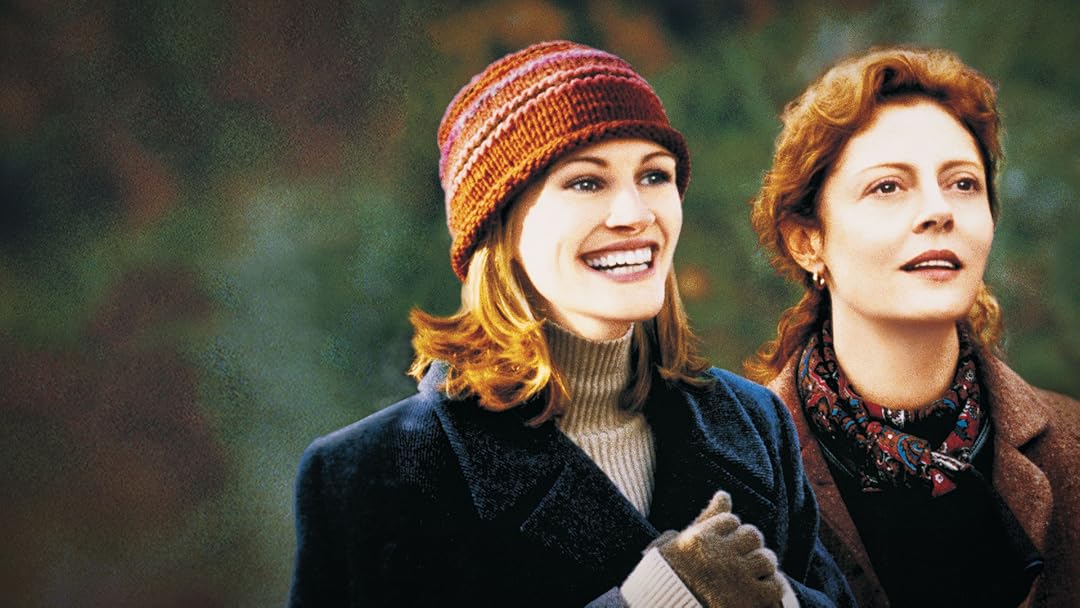
She is honest about what the independent producer's life actually costs, which is the part the career advice usually leaves out. "You're basically working for free until a project goes into production," she says. "It's not a great business model for anyone." The reward is measured in the handful of things that break through, and in the ones that never leave you. The film she shot in Paris this past summer, a psychological action thriller she developed for eight years, is close to her heart, built on the strong thematics she says she now needs in order to get excited about anything. Heavy on visual effects, it will likely reach audiences in 2028 rather than 2027. The project that remains dearest, though, is older. Stepmom sits at the centre of everything she loves about the work, and she is currently casting a film she has spent years looking for precisely because it moved her the same way. She believes 2027 is the year a good deal of what she has been carrying finally arrives.
Stepmom (1998)
"If you can find something that's popular, and nobody has seen it yet, and you can get your hands on it first, that's key."
On BookTok, Romantasy, and the Rush to Adapt
Ask her why so much of what reaches the screen now started life on a shelf, and she does not reach for anything complicated. The wave of book adaptations, the romance and romantasy titles with ready-made followings, is about popularity, full stop. "If you can find something that's popular, and nobody has seen it yet, and you can get your hands on it first, that's key," she says. For an independent producer especially, intellectual property is the clearest way in, and it is often cheaper than people assume. Many options can be made for very little, she points out, and the person who gets there first is frequently someone with no particular pedigree and a lot of conviction. She mentions a woman she is meeting with who optioned a big book series, the Off Campus novels, and who she believes came to it from a career in medicine rather than film. The door, in other words, is the same one she walked through: find the thing, believe in it, and move before anyone else does.
What she warns against is chasing a market you do not love. The work takes too much passion to fake, she says, and romantasy done without real appetite for it will show. Her own compass is theme. "I'm very driven by strong thematics," she says. "Even if it's horror, it has to have strong thematics for me to get excited at this stage of my life." She and her collaborators try not to chase the marketplace, though she is frank that sometimes they have to, reading what audiences are actually turning up for and filling a gap a distributor has, provided the project genuinely excites her. And then she offers the line that sums up her entire sensibility. "We serve our audiences bacon-wrapped pills." The films are commercial, unashamedly so, big and built to fill a theatre, but she wants you to leave moved, having swallowed something real without noticing it go down.
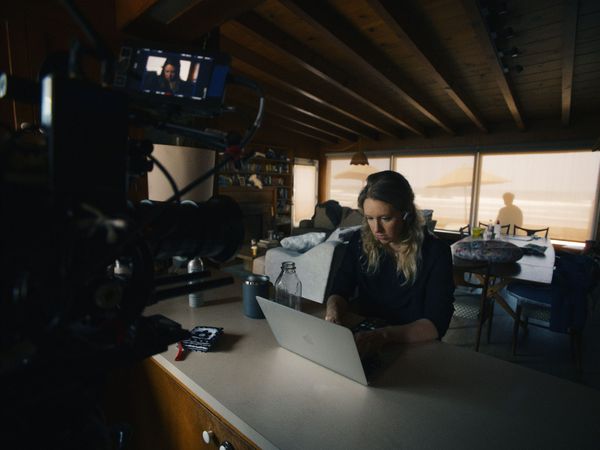
Ask her why the same handful of faces seem to circle every major release, and her answer comes down to fear. The industry has grown deeply risk-averse, she explains, and a recognisable name is the closest thing it has to insurance: attach a star audiences already love and the sales, and the profit, tend to follow. The catch is that nobody actually knows what will work. No one has the magic bullet, she says, and she points to the Elizabeth Holmes documentary, You Can See Everything, which no one expected to perform the way it has, precisely because it did something nobody had tried before.
What she would love to see more of is the film that bets on a complete unknown and wins. She lights up describing Inde Navarrette, who broke out of a tiny, low-budget horror called Obsession and has gone on to an it-girl run and a turn on Saturday Night Live, proof that the gamble pays off more often than the industry's caution would have you believe. She hopes aloud that the young actress is nominated.
On Sequels, Nostalgia, and Johnny Depp
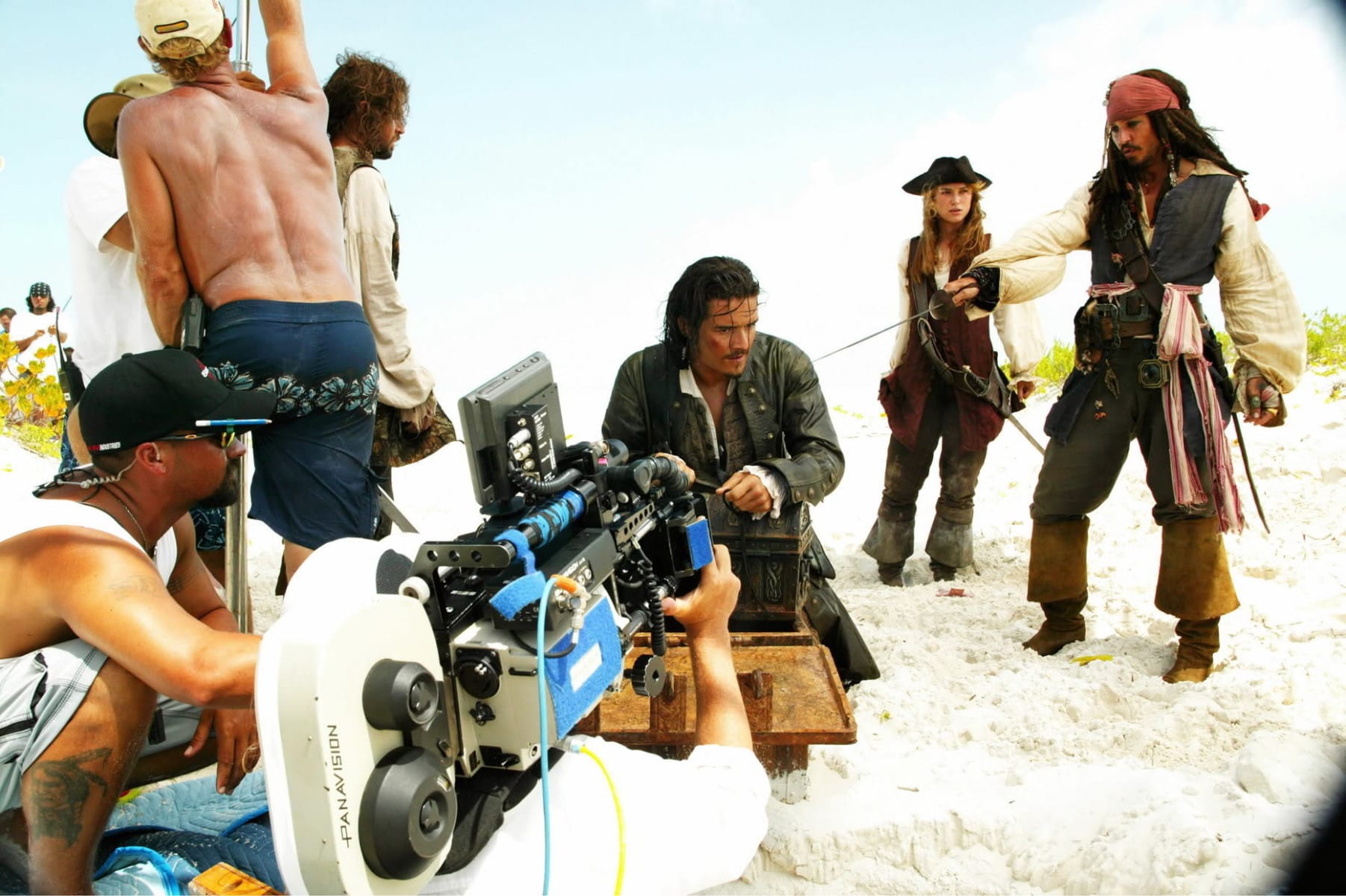
If there is a subject that makes her light up even more, it is the one that comes wrapped in a decade of memory. She worked with Johnny Depp for the better part of ten years, an experience she calls, without hesitation, wonderful, and him an amazing man. She was not there for the first Pirates of the Caribbean, a film she considers close to perfect, but she had a front-row view of what happened next, and she uses it to explain why the industry keeps returning to the tried and true. The first film did fine, but the sequel was enormous, she says, because audiences already knew exactly what they were walking in for, and that anticipation is its own kind of engine.
On Set of Pirates of The Caribbean: Dead Man's Chest (2006)
What stays with her is not the box office but the pleasure behind it. She frames the whole Pirates phenomenon through Depp's own delight in the character. "He loved to bring Jack Sparrow to life," she says, "because he knew that character made so many people happy." When an actor can keep giving an audience that, she adds, it is a win for everyone in the room, the studio and the fans alike. It is why she is warm on sequels rather than cynical about them, crediting the particular magic of nostalgia and a returning cast, the thing that makes people turn out for another Devil Wears Prada or Practical Magic decades on. The spell is strongest, she says, when you can get the original cast back together. And when the conversation turns to whether the Pirates crew might ever reassemble, she does not play coy. She hears they are, she says, and she sounds genuinely glad.
Doing the Do
She ends where she began, on getting in and staying in, and she hands over the line she lives by, borrowed from Stockard Channing. "It's not how many times the door shuts in your face. It's how many times you open it and continue to try to walk through it." The rest, she insists, is simply doing the work that most people only talk about doing. "A lot of people talk about it and don't actually do the do." Find your access through whatever skill you already have, she says, and then be tenacious. It is, you notice, exactly what a young woman with strong secretarial skills and no connections did, several decades and a great many films ago.
Margaret French Isaac is a producer and a member of the Academy of Motion Picture Arts and Sciences. President of Di Novi Pictures, she has held senior roles across DreamWorks, Paramount, Fox, Sony, Warner Bros and Disney, served as Executive Vice President of Film and Television at Johnny Depp's Infinitum Nihil, and ran Wendy Finerman's company during the years it made Forrest Gump and Stepmom. Her recent work includes The Sky Is Everywhere, directed by Josephine Decker for A24 and Apple, and Soul on Fire. Across her career she has mentored and championed writers, directors and producers, and helped open doors for women throughout the industry.
Margaret is now taking a small number of high-level private consultations, offering advice on how to access and navigate talent packaging, financing, and distribution, drawn from her decades of experience as a studio film executive and producer. For details, she can be reached at margaretfrenchisaac@gmail.com.
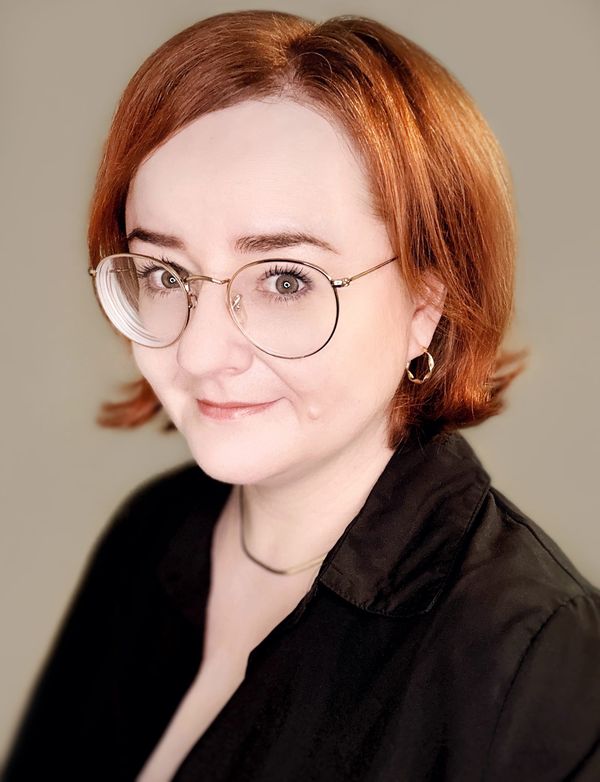
Daria Ershova is the Founder and Editor-in-Chief of Filmoiselle. She's an entertainment and culture journalist whose film writing appears at Pop Tales and whose commentary has been quoted in Newsweek, Fortune, and British Vogue.